Don’t Go Chasing Waterfalls – in Watercolor

Art, Outdoor Adventure, watercolor, watercolor tutorials

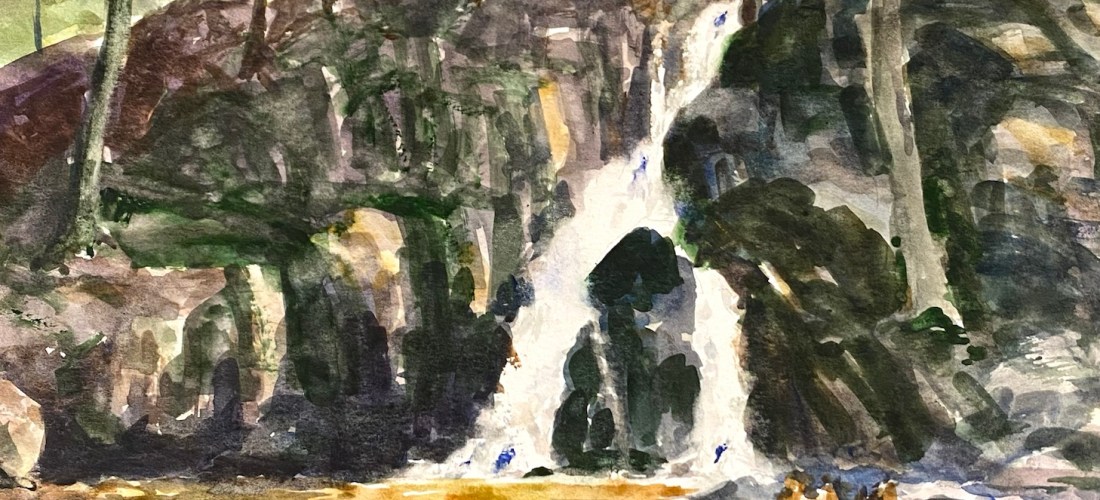
Capturing the movement of a waterfall in watercolor can be quite a chase. In this video tutorial, the waterfall is relatively small compared to some of the ones I’ve seen. Therefore, there is seemingly less work involved in painting the actual waterfall, but most of the work is going to be getting the values right between the darker boulders framing the lighter waterfall, without making the scene too flat. 

In the reference photo above, there is quite a bit going on – rocks, sticks, logs, water, trees, and more rocks. It can be easy to get lost in all the details. The challenge will be to combine all the smaller objects into bigger objects when painting this scene. A value study would surely come in handy here, but I’ve impatiently jumped right into the main painting. How will the painting turn out? Tune in to find out via the link below!
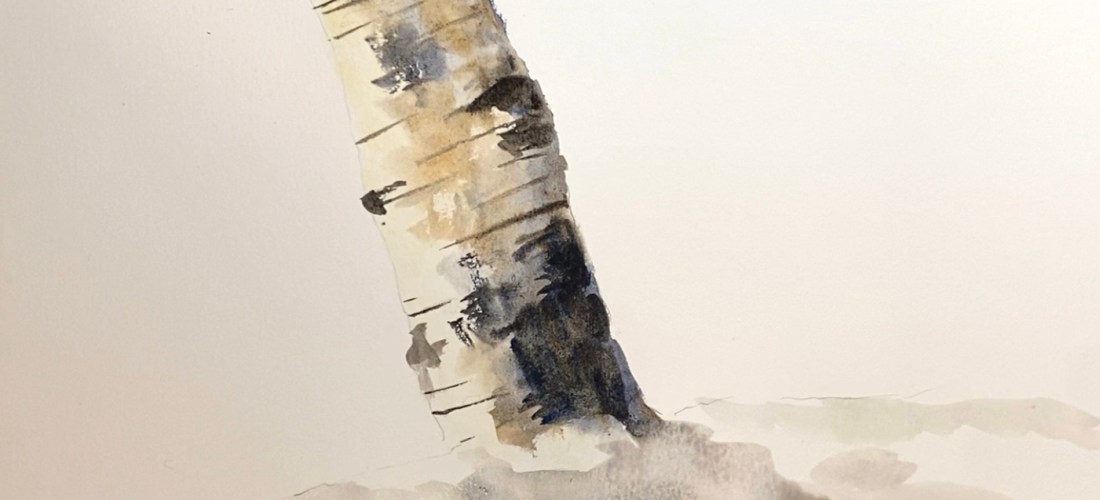
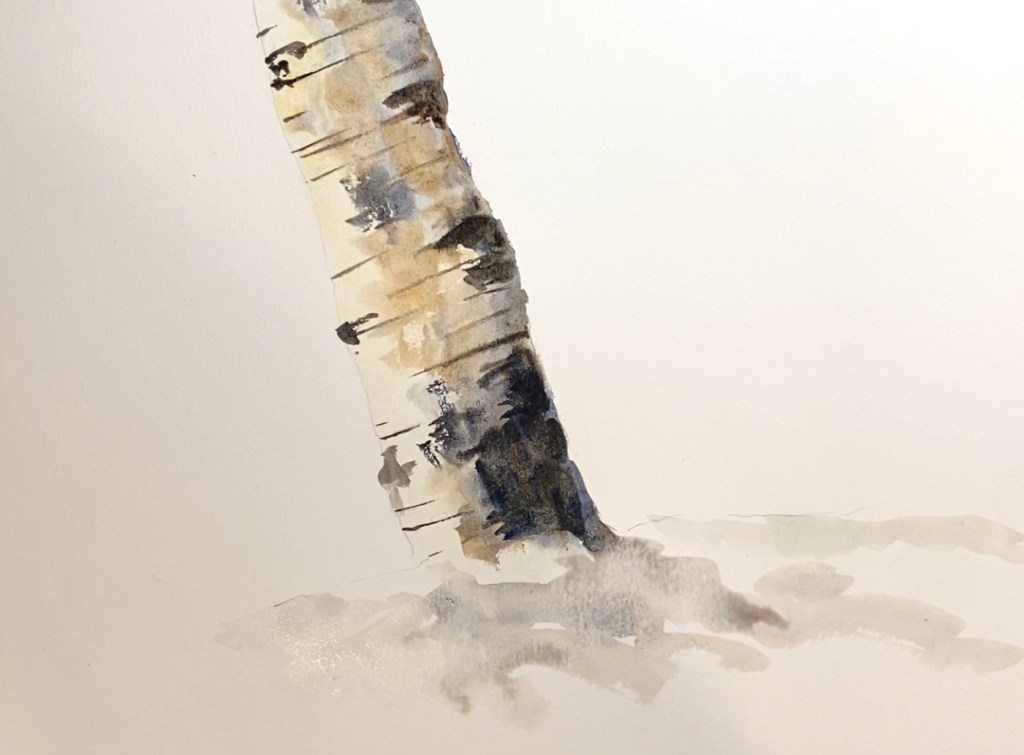
How to Paint Birch Tree Bark in Watercolor

Art, native plants, Trees, watercolor, watercolor tutorials

Birch trees have a wonderfully unique bark, and depending on the species of birch – this unique bark has a wide range of color and texture. For example, River birch (Betula nigra) may have brown, gold, white, and even reddish hues. This type of bark flakes off in large chunks as the tree grows older. In contrast, Paper Birch (Betula papyrifera) – the type of birch tree featured in this post, has mostly smooth white bark, but there are subtle browns, as well as, dark colored blotchy spots and horizontal lenticels.

Paper Birch – Watercolor Study

What are lentilcels? I’ll explain in the video below. This tutorial covers easy techniques for painting one of the most interesting tree bark – birch tree bark!

You’re Turning Violet, Violet!

Art, Gardening, watercolor, watercolor tutorials

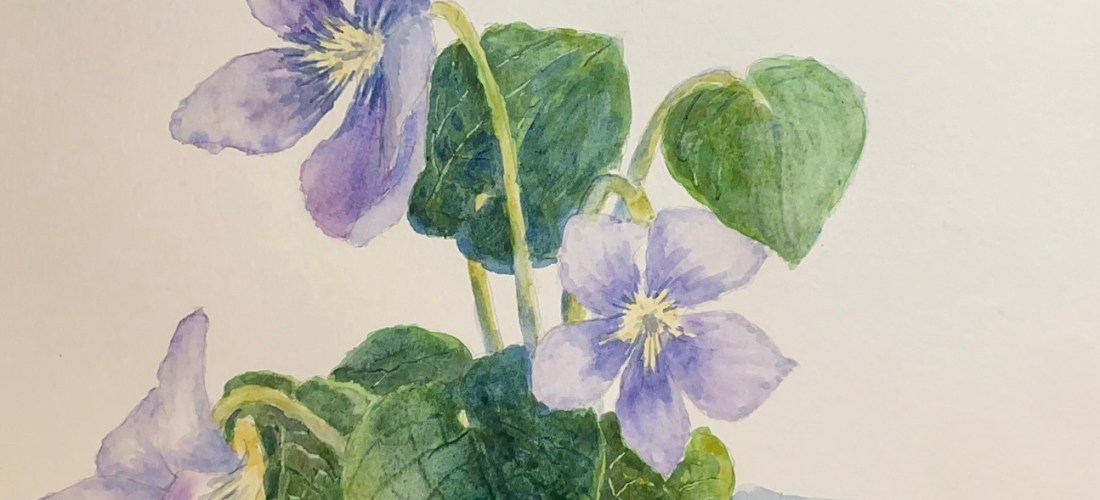
If you’re in the northern hemisphere, zone 5 – 7, you may have noticed violets starting to emerge in March; their leaves first, followed by pale blue or purple flowers in the coming weeks. While some lawn enthusiasts may think of violets as weeds, it is important to note that these amazing plants host Fritillary butterflies. The beauty and ecological function of native violets always make them a welcome guest in my yard. They’re edible too!

Viola sororia – The Common Blue Violet

Inspired by violets, I’ve put together a watercolor tutorial on how to paint them! I hope you enjoy!

Winter is Still Here – So Let’s Paint Garden Pansies

Art, Gardening, plants, watercolor, watercolor tutorials

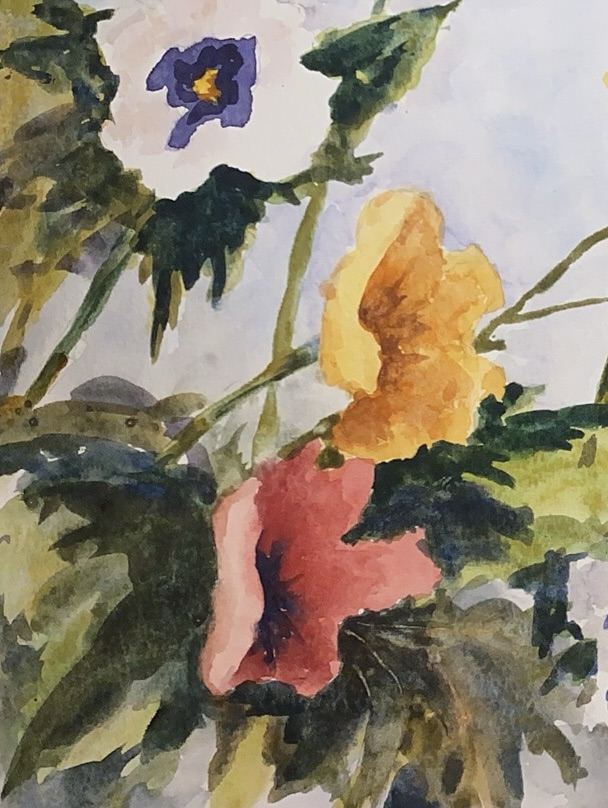
Usually, around February – I start dreaming of things that bloom! Which is why I thought it would be fitting to do a watercolor video tutorial about painting some of the most colorful members of the Viola family – the Garden Pansies!

This tutorial is all about staying loose…

So many people, myself included, tend to tighten up when we attempt to paint the most beautiful flowers. But, it seems the more we try to be perfect, the less appealing a painting turns out. I don’t know why, but perhaps what’s missing are the rogue and random brush strokes; they make no apologies, even though they don’t follow any specific rules or principles. Though the eye seems more attracted to the expressive and wild than the perfect, but boring.

So come join me and swing that brush around as you wish, as we try to create a free, airy, yet attractive floral watercolor painting in anticipation of early spring bloomers!

Thanks for watching!

Just Add SALT – Watercolor Effects

Art, watercolor, watercolor tutorials

About 12 years ago, I remember being amazed when I learned that salt can alter a watercolor painting in unique, often favorable ways. for example, when salt is added to slightly wet paper, it creates interesting distortions, but not the unwanted kind – like blossoms, which often form if too much water is added. Most commonly, salt is applied to create beautiful alterations when painting a snowy winter sky. It is also used effectively, to create interesting background washes in floral watercolor paintings. However, I almost never use salt in my paintings, but maybe I should rethink that and keep it in my painting tool belt, metaphorically speaking.

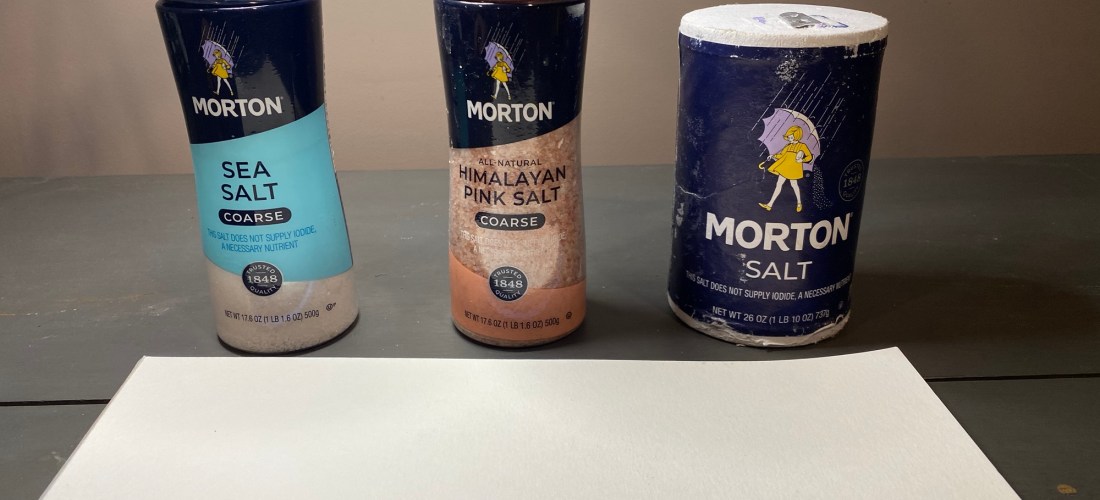
Anyway, the reason I brought this whole salt thing up is because I thought it would make an interesting painting video. I was not surprised to find that there are already many videos on YouTube, demonstrating how to use salt in watercolor paintings. So, why post another salt painting video? Well, Caitlin came up with a pretty cool idea – use 3 different types of salt to discover which of these produces the most desirable effects. We used good old table salt, sea salt, and Himalayan Pink salt.

So, you might be thinking- which salt produced the best effects? I guess you’ll have to tune in (video link below) to find out 🙂