Winter is Still Here – So Let’s Paint Garden Pansies

Art, Gardening, plants, watercolor, watercolor tutorials

Usually, around February – I start dreaming of things that bloom! Which is why I thought it would be fitting to do a watercolor video tutorial about painting some of the most colorful members of the Viola family – the Garden Pansies!

This tutorial is all about staying loose…

So many people, myself included, tend to tighten up when we attempt to paint the most beautiful flowers. But, it seems the more we try to be perfect, the less appealing a painting turns out. I don’t know why, but perhaps what’s missing are the rogue and random brush strokes; they make no apologies, even though they don’t follow any specific rules or principles. Though the eye seems more attracted to the expressive and wild than the perfect, but boring.
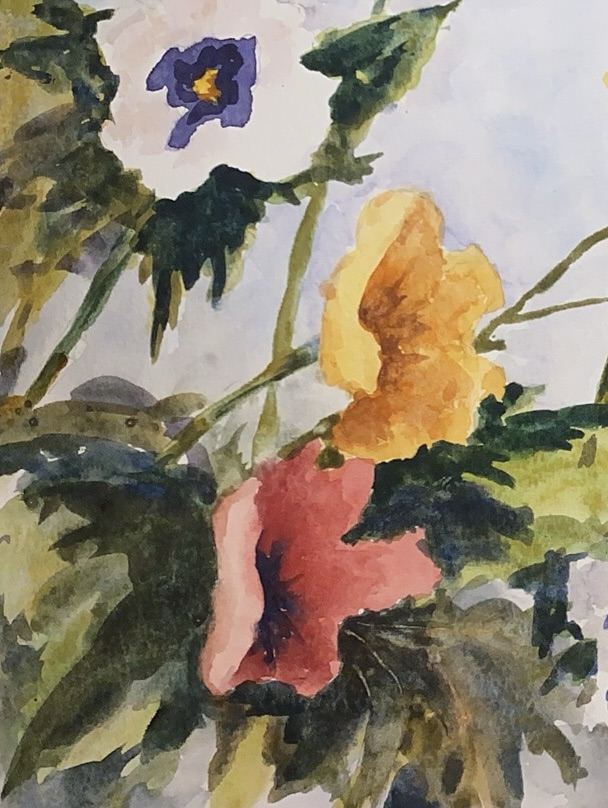
So come join me and swing that brush around as you wish, as we try to create a free, airy, yet attractive floral watercolor painting in anticipation of early spring bloomers!

Thanks for watching!
Common Blue Violet Painting

Art, native plants, plants, watercolor
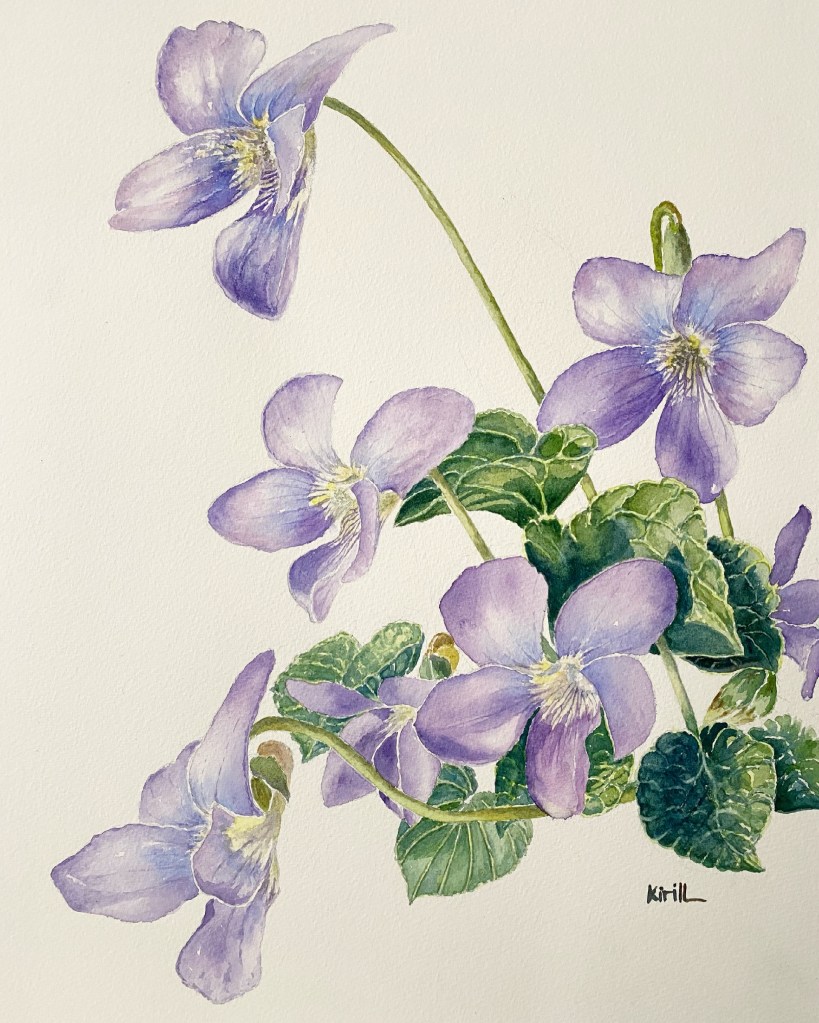
Viola sororia

Common Blue Violet (Viola sororia) is often regarded by some as a weed, invading a lawn. But to anyone interested in native ecosystems, it is an important plant. Common blue violet is the host plant for the fritillary butterfly, of which there are many species. Also, the mining bee (Andrena violae), visits only violets. This bee is an example of a “specialist” – a specie, which can only use a specific plant specie for their survival. Knowing this, how could I not paint Viola sororia, as spring approaches?!

The original 🎨 (or print) of Viola sororia can be found on ETSY

Winter Shadows and Copper Leaves – Watercolor 14”x 20”

Art, Outdoor Adventure, plants, watercolor

Shadows can be most dramatic in contrast with snow. It is one of my favorite subjects to paint. The copper colored leaves still cling to young Beech and Oak trees all winter long. This phenomenon is called marcescence. There are a few ideas why trees may hold on to their leaves through the winter.

One idea is that Beech and Oak were once evergreen trees and are still evolving into deciduous species. Other ideas suggest that the leaves are used as insulation and nutrients as they drop around the trees closer to spring time. To the observer and artist, it certainly provides interesting subject matter for winter scenes!

Prints and originals available on Etsy.

Winter Rainbow Swiss Chard

Gardening, Outdoor Adventure, plants
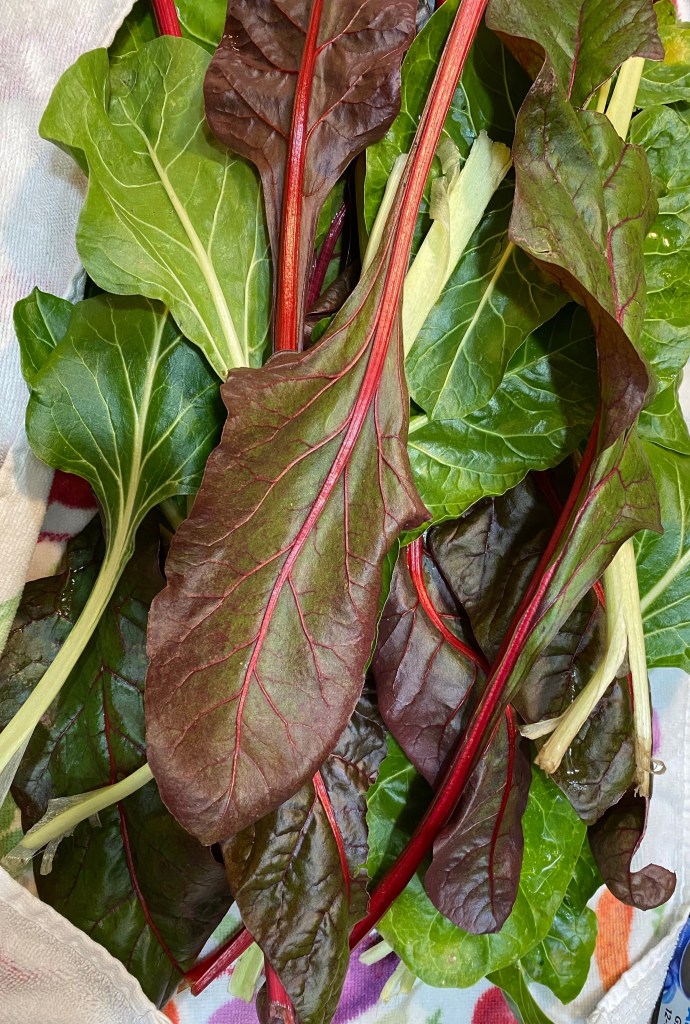
Overwintering Rainbow Swiss Chard

From my experience this past year, Rainbow Swiss Chard seems to be quite a versatile plant. It can take summer heat, as well as winter temps in zone 6a. I can’t think of many plants that can grow inside an unheated greenhouse in both summer and winter. In summer, temps in the greenhouse can reach well over 100 degrees Fahrenheit. In winter, I kept the plants inside a cold frame inside the greenhouse (2 layers of protection), so lets assume temps as low as 20 degrees Fahrenheit at times.

Pictured here are Rainbow Swiss Chard plants harvested from the greenhouse on January 20th, 2021. The only issue is we just don’t eat as much Swiss Chard as lettuces and other salad greens. In that case, I probably won’t grow as much Swiss Chard going forward and I’ll look for other vegetable plants that can withstand similar temperature extremes, which we do eat often. Any suggestions?

I decided to harvest entire plants, instead of the cut-and-come-again method, which works well with Swiss Chard, because the plants were being heavily invaded by aphids. Perhaps I’ll try the Neem oil to see if it is effective on the aphids on the few Chard plants that I did not harvest. Either way, it is time for a fresh start. I’ll probably sow Broadleaf Endive seeds (member of the Chicory family) in this cold frame shortly and they should come up beautifully by March.

Didn’t Feel Like Goin to Lowe’s

Gardening, Outdoor Adventure, plants
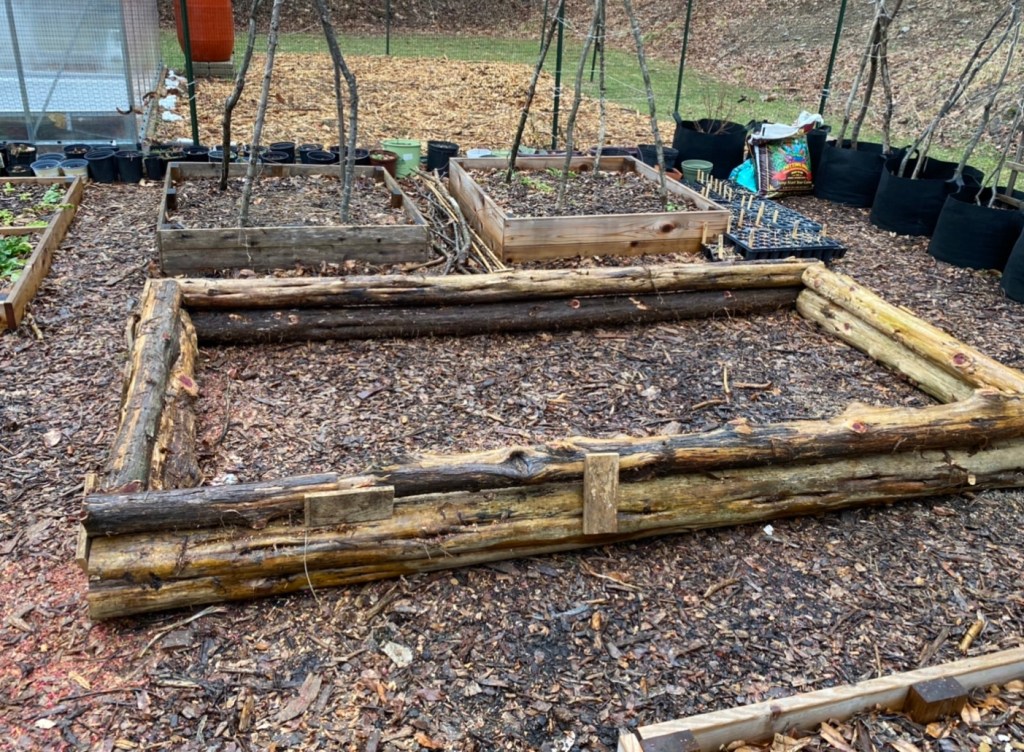
9’x5’ double cedar log raised bed

I feel like lumber is way overpriced and I hear there are shortages too. I’m not against big box stores, but I’ll avoid them if I can. Either way, I just didn’t feel like driving to Lowe’s or Home Depot. The woods behind our house seem to be nearing the end of the “Stem Exclusion” stage of forest succession. In this stage, resources, such as sunlight, become limited for certain tree species like Eastern Red Cedar (Juniperus virginiana), which were some of the first tree species to appear in the early stages of forest succession.

Most of the Red Cedar in these woods are now dead because they were shaded out by larger tree species like Northern Red Oak (Quercus rubra) and Black Cherry (Prunus serotina). Some of the Cedar-skeletons are still standing; others have been blown over by wind. I have mixed feelings about harvesting the cedar trunks from these woods. On one hand they make a nice natural looking raised bed that will help feed our family. On the other hand, I am removing material from these woods that is essential to the detritus food web, even if just several pieces.